
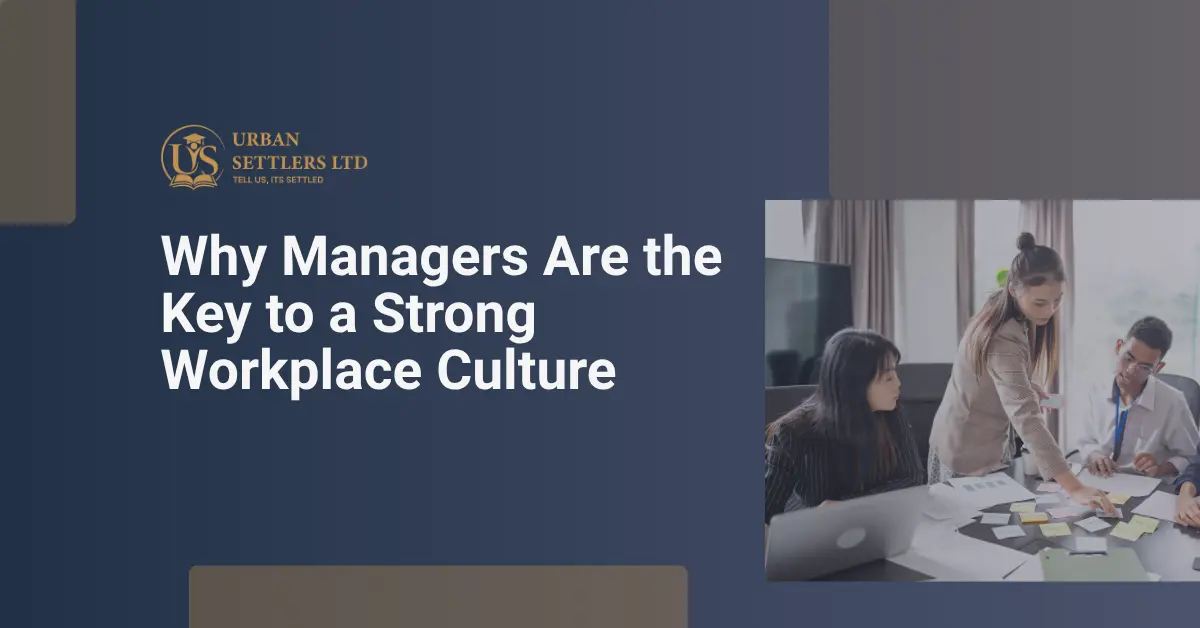
Why Managers Are the Key to a Strong Workplace Culture
An organisation can have a clear set of values, a beautifully written mission statement and comprehensive workplace policies. But none of those things determine what employees experience every day. Managers do. Employees experience an organisation through the way their manager communicates with them, responds to mistakes, handles conflict, gives feedback, recognises good work and makes
Read More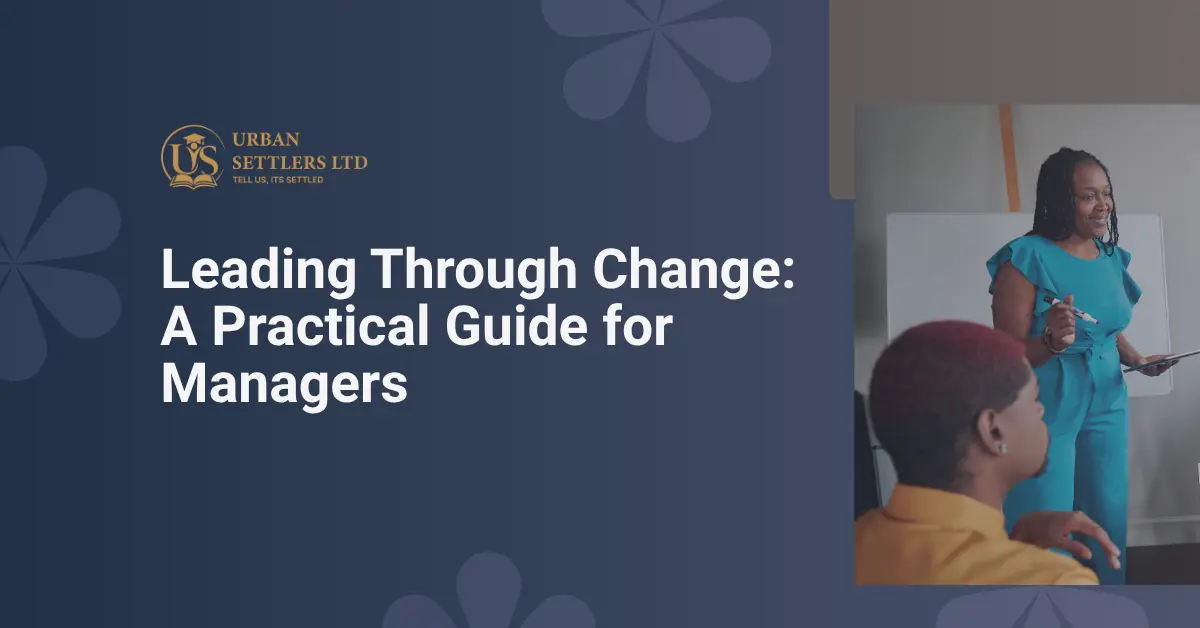
Leading Through Change: Managers Can Keep Teams Engaged and Resilient
Have you tried to introduce a new work flow or anything outside of the box to a team you have just been assigned to lead? Chances are you were met with a lot of objections. Change is a normal part of working life. Organisations restructure, introduce new technology, change processes, expand their services, merge teams,
Read More
8 Everyday Leadership Habits That Build High-Performing Teams
Ask people to describe a great leader and you’ll hear words like inspiring, confident, decisive and visionary. While those qualities matter, they don’t tell the whole story. Great leadership is rarely defined by one inspiring speech or one major decision. More often, it’s shaped by the small actions you take every day, how you communicate,
Read More
Difficult Conversations at Work: A Practical Guide for Managers
Every manager remembers the conversation they didn’t want to have. Perhaps it was addressing poor performance with a valued employee. Maybe it was resolving conflict between colleagues, or discussing repeated lateness with someone who was otherwise well-liked. Many leaders delay these conversations because they fear making the situation worse. Ironically, delaying them often does exactly
Read More
Psychological Safety at Work: Why Employees Stay Silent
Imagine asking your team if anyone has concerns about a new project. The room is quiet. Everyone nods in agreement. The meeting ends. A week later, the project runs into problems that several people had already anticipated, but no one said anything. This scenario is more common than many leaders realise. Silence is often mistaken
Read More
Why Workplace Culture Matters: 10 Signs Your Workplace Culture Needs Attention (And What Leaders Can Do About It)
Ask ten leaders to define workplace culture, and you’ll likely hear ten different answers. Some describe it as “the way we do things around here.” Others talk about values, behaviours or employee experience. In reality, workplace culture is reflected in the everyday actions, conversations and decisions that shape how people work together. It influences whether
Read More
The Hidden Cost of Poor Workplace Communication (And How to Improve It)
Have you ever walked out of a meeting thinking everyone was on the same page, only to discover days later that everyone left with a different understanding? It happens more often than many organisations realise. Poor workplace communication isn’t always loud or obvious. It rarely starts with a major disagreement or a public conflict. Instead,
Read More
Workplace Compliance for Small and Medium Businesses
Workplace compliance is one of the most important responsibilities for any business. During our discussions with some small businesses in Aberdeen, we learned that, most small business see workplace compliance as something that only large organisations need to worry about. But for small and medium businesses (SMEs), compliance is just as critical, and the risks
Read More
7 Reasons Why Company Compliance Trainings are Important
Company compliance trainings are often treated as that annoying training people have to do quarterly because the annoying guy in compliance won’t just let them be. People also think company compliance is only relevant when it involves money or when a problem arises. Contrary to popular belief, it affects almost every part of how a
Read More
Which Conflict Management Style Should You Use? A Practical Guide for Managers
There’s no single “best” way to handle workplace conflict. The right approach when choosing a conflict management style depends on the situation, the people involved, and the stakes. Some conflicts need collaboration. Others need a quick compromise. Some require you to step back, and a few require you to stand firm. For managers and HR
Read More